Sleep and Postpartum Depression

The Role of Sleep Deprivation in Postpartum Depression
Sleep deprivation is a common experience for new parents, especially mothers who bear the brunt of nighttime feedings and caregiving responsibilities.
The demanding schedule of caring for a newborn, coupled with disrupted sleep patterns, can lead to chronic sleep deprivation, which exacerbates the risk of postpartum depression.
The Impact of Sleep Deprivation on Mental Health
Sleep is crucial for mental health and emotional well-being.
Adequate sleep allows the brain to regulate mood, process emotions, and maintain cognitive function.
However, chronic sleep deprivation disrupts these essential functions, leading to mood disturbances, increased anxiety, and difficulty coping with stressors, all of which are hallmark symptoms of postpartum depression.
The Link Between Sleep and Hormonal Regulation
Sleep plays a vital role in regulating hormone levels, including those implicated in mood disorders such as serotonin, dopamine, and cortisol.
Disrupted sleep patterns can dysregulate these hormones, contributing to mood instability and exacerbating symptoms of depression.
Additionally, sleep deprivation can impair the body's ability to manage stress, leading to heightened anxiety and emotional reactivity.

The Vicious Cycle of Postpartum Depression and Sleep Deprivation
Postpartum depression and sleep deprivation often form a vicious cycle, each exacerbating the other.
Mothers experiencing PPD may find it challenging to fall or stay asleep due to intrusive thoughts, anxiety, or overwhelming feelings of sadness.
Conversely, inadequate sleep can worsen depressive symptoms, leading to increased fatigue, irritability, and difficulty functioning during the day.
Impact on Infant Bonding
Healthy maternal-infant bonding is crucial for the baby's emotional and cognitive development.
However, postpartum depression and sleep deprivation can interfere with the bonding process.
Mothers experiencing PPD may have difficulty engaging with their infants, leading to feelings of guilt and inadequacy.
Furthermore, sleep-deprived mothers may struggle to respond sensitively to their baby's cues, affecting the quality of interaction and attachment.
Addressing Sleep Deprivation to Improve Postpartum Depression
Recognizing the profound impact of sleep deprivation on postpartum depression underscores the importance of addressing sleep issues in maternal mental health care.
Healthcare providers should screen new mothers for symptoms of both PPD and sleep disturbances during postpartum check-ups.
Interventions aimed at improving sleep quality and quantity, such as sleep hygiene education, cognitive-behavioral therapy for insomnia, and support with nighttime caregiving, should be integrated into treatment plans for postpartum depression.
Supporting New Moms
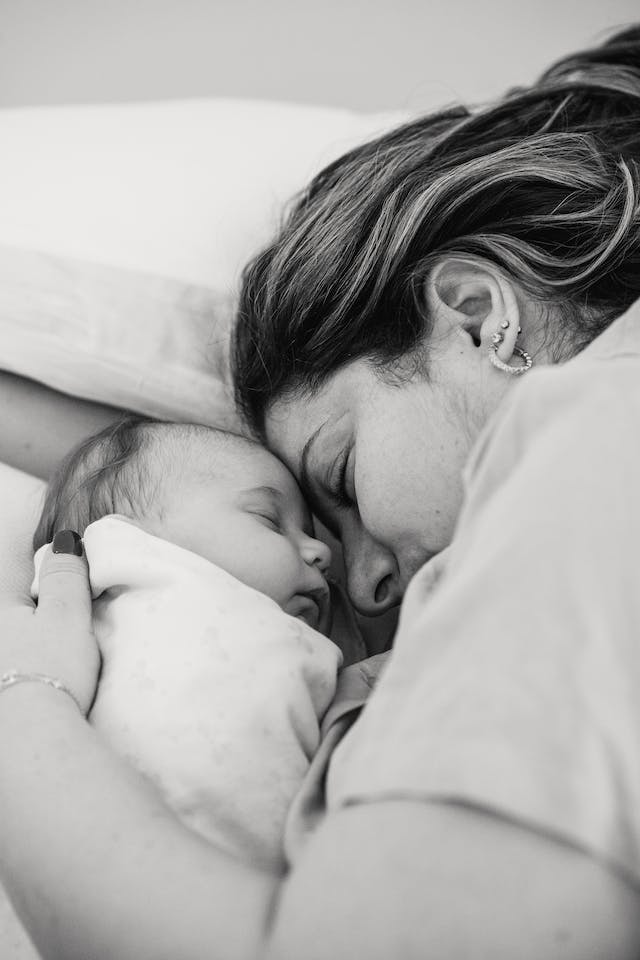
Support from partners, family members, and healthcare professionals is so important for new mothers struggling with postpartum depression and sleep deprivation.
Partners can share caregiving responsibilities and provide emotional support, while family members and friends can offer practical assistance with household chores and childcare, allowing the mother to prioritize self-care and rest.
Additionally, healthcare providers should provide nonjudgmental support, validate mothers' experiences, and connect them with appropriate resources for mental health treatment and sleep support.
Takeaways
Postpartum depression and sleep deprivation are significant challenges that many new mothers face during the transition to parenthood.
The profound link between these two issues highlights the importance of addressing sleep issues in maternal mental health care.
By recognizing the impact of sleep deprivation on postpartum depression and implementing interventions to improve sleep quality, we can better support the well-being of new mothers and promote healthy maternal-infant bonding.
With increased awareness, support, and access to resources, we can empower mothers to navigate the challenges of early parenthood with resilience and grace.
With love and solidarity,


Ready to experience freedom from postpartum depression? Let’s connect!
As a perinatal mental health therapist, I will help you find solutions and immediate relief. Reach out for a free consultation today!
Related Articles:
Breaking Momsomnia: A Comprehensive Guide to Mom Sleep
5 Strategies to Cope with Postpartum Fatigue
Postpartum Brain Fog: Causes, Symptoms, FAQs, and Coping Strategies
Understanding and Coping with Postpartum Nightmares
Sources:
https://www.smartmattressbuy.com/blog/how-to-reduce-sleep-deprivation-and-embrace-parenthood/
https://www.parents.com/baby/new-parent/sleep-deprivation/how-to-get-sleep/
